GTAXTREME
Turn stash value into usable money, compare Brian, Dunk and Yasmani, and separate pawn-shop card sales from contraband handoffs.
The stash value is not spendable cash. A bag can contain marked bills, jewelry or narcotics, while a safe may also contain loose cash and a collectible card. Check what you actually picked up before driving to a buyer.
Use the fence and pawn shop guide for the wider buyer network. Early contacts such as Brian and Donnie depend on story progress, while Dunk and Yasmani serve different stages and places. The practical comparison below uses Dunk rather than Donnie for the Port Gellhorn trailer shown by Vice City Handbook.
Jason’s stored cash and the lost drug packages have their own stash locations guide. Here, the goal is to cash out carried loot bags: compare the active buyer’s map offer, deliver the right goods and check whether payment is immediate or delayed.
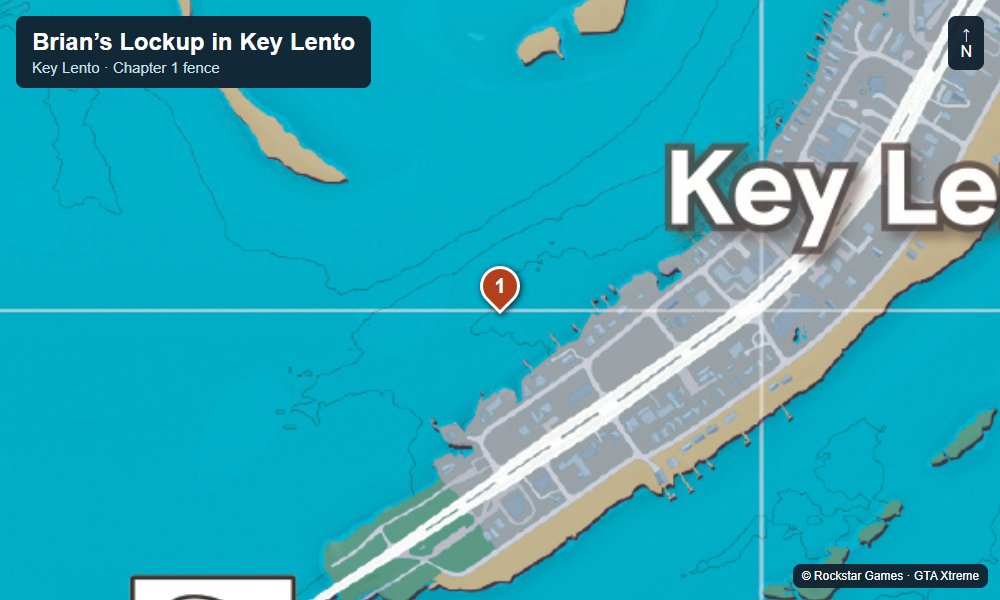
1. Brian’s Lockup in Key Lento
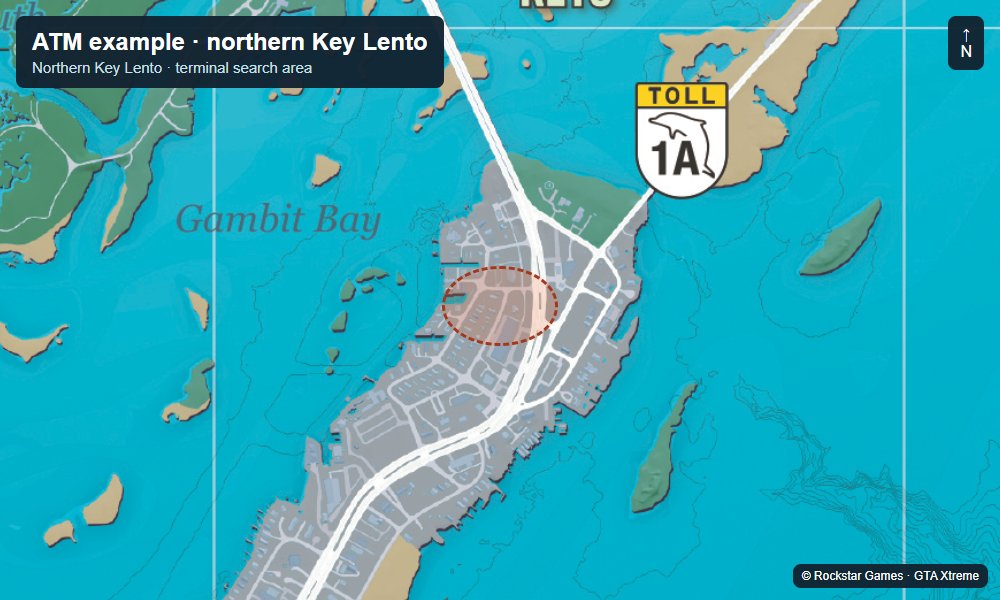
In Chapter 1, check whether Brian’s Lockup is available on your map. Head to the western side of Key Lento and follow the active fence marker to the lockup entrance. The route uses keypad code 7700. Availability changes with story progress, so check before transporting a full haul.
Use the drop-off interaction for the eligible narcotics, jewelry and marked bills. The Apollo example quotes $11,120 here, paid later rather than instantly. Treat that as a historical haul value: your own bag contents and current offer can differ. Check the later message and bank balance instead of expecting pocket cash as soon as the bag disappears.
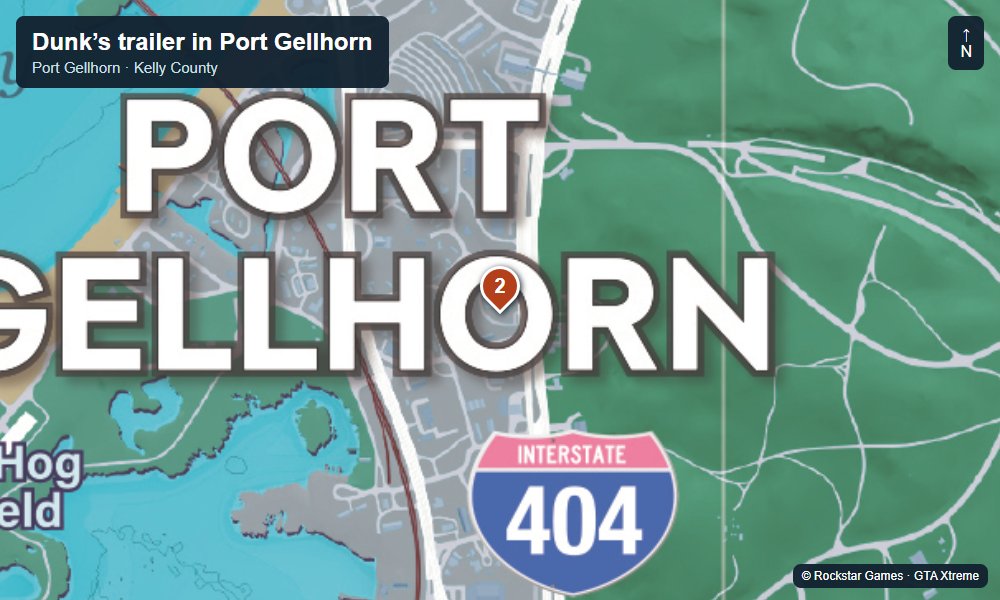
2. Dunk’s trailer in Port Gellhorn
For the Port Gellhorn buyer in the comparison, select Dunk’s Trailer on the map. Head into the trailer property and follow the active drop-off interaction. This is Dunk, a different contact from Donnie in Key Lento.
Check the offer before leaving the bag. Vice City Handbook records $4,230 for the comparison jewelry at Dunk and shows delayed payment after a drop. Wait for the payment notification and inspect your account; a stash-value display alone is not proof that the sale has been paid.
From about 1:42, the clip identifies Dunk’s trailer and explains the delayed-payment handoff.
See Dunk’s marker and drop-off in the comparison
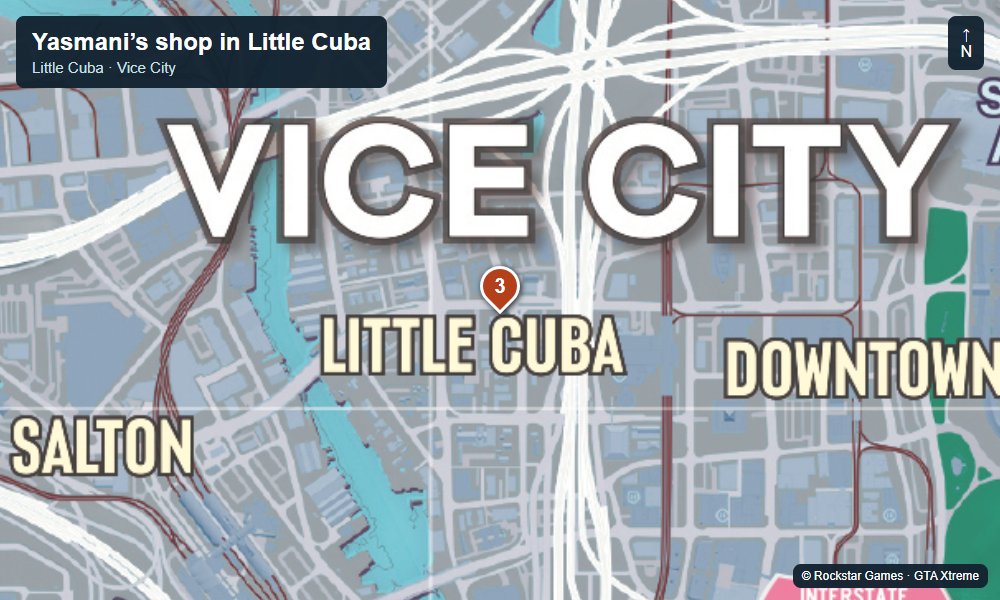
3. Yasmani’s shop in Little Cuba
Once Yasmani is unlocked, use his Little Cuba shop marker and go to the counter. Check which item categories and offer ratings he currently lists. The Vice City shop guide helps with other errands in the area.
For the same comparison jewelry, Vice City Handbook records $14,520 at Yasmani and shows the money arriving immediately. That is $10,290 more than the $4,230 Dunk offer in that example. It does not prove that Yasmani always pays the best rate for every kind of loot.
Around 2:40–3:00, the clip shows the Little Cuba handoff and payment notification.
See Yasmani’s counter and payment example
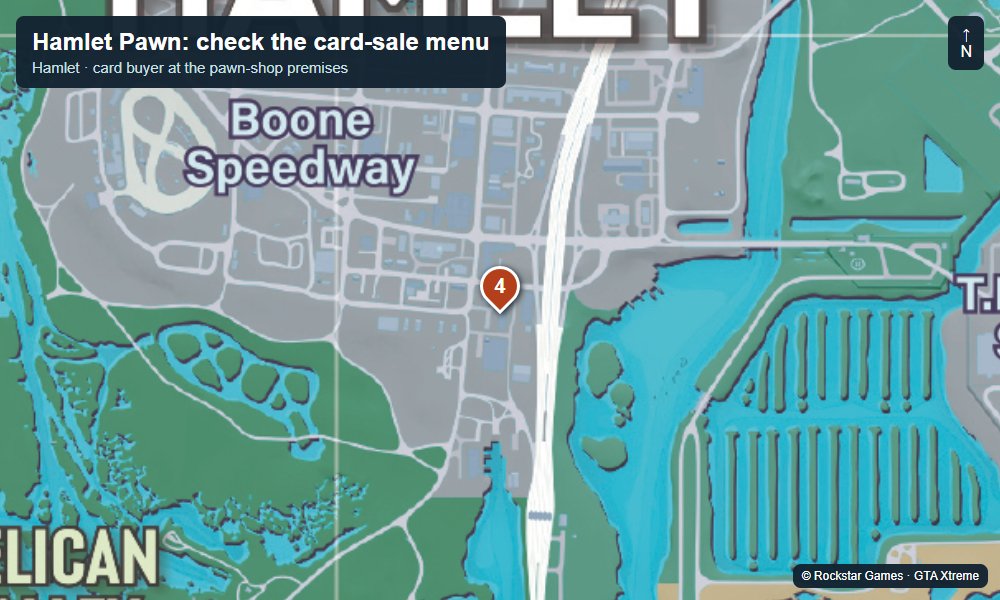
4. Hamlet Pawn: check the card-sale menu
For the collectible-card part of the Apollo example, go to Hamlet Pawn in Hamlet and use the sales interaction at the counter. Check the item list rather than assuming the same shop buys every contraband bag.
The example reports $6,000 for a silver Leroy Rook card from the Vice City Narcos set, paid immediately. This is a specific card sale, not a price for every collectible. The collectible-card guide helps you check your collection before confirming what to sell.
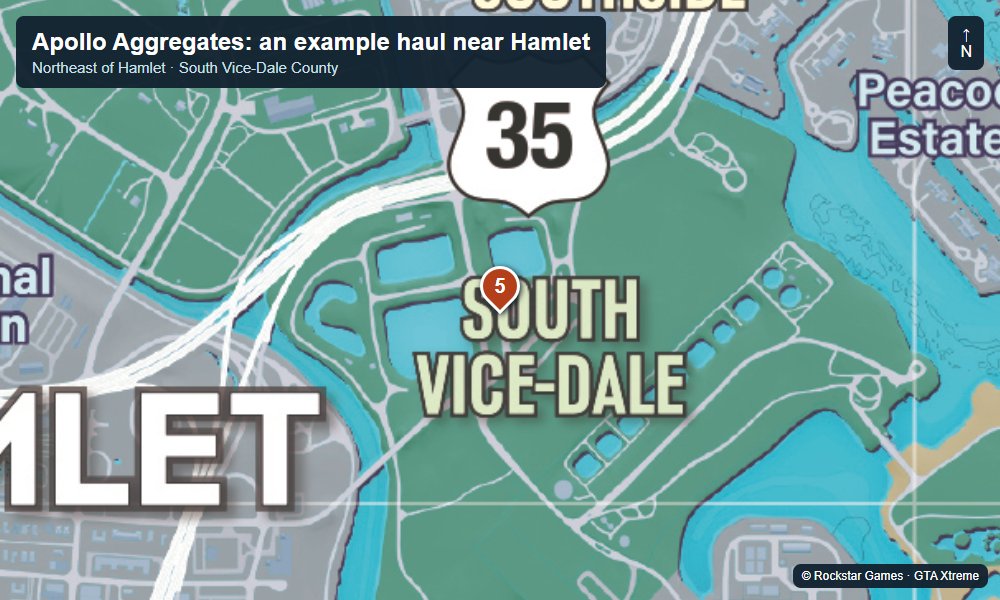
5. Apollo Aggregates: an example haul near Hamlet
For the example route, head to the red Apollo Aggregates warehouse northeast of Hamlet, east of the large ponds. Look for the yellow bulldozer and use the side entrance. The loot locations guide provides the wider warehouse and safe route.
Inspect the bag and office safe for the available loot. Loose cash, product, marked bills and a card are separate items with different destinations. Put full bags in your vehicle’s trunk, then compare the current buyer offers before driving back to Key Lento or onward to another unlocked fence. There is no guaranteed $20,000 total on every visit.
ZipTube summarizes the warehouse location and the split between fence goods and pawn-shop items using a map explainer.
See ZipTube’s Apollo loot-and-sale overview
Map by Rockstar Games. Markers and screenshots by GTA Xtreme.
Compare the actual offer and check your payment
In the cited Apollo example, $11,120 plus $6,000 equals $17,120, before any additional loose cash. A headline of $18,000 or $20,000 is not a fixed payout for every visit. The items found, bag contents, buyer and current offer all matter.
Once you are paid, the ATM guide explains cash deposits and moving existing account funds into Family Savings. If you are preparing to finish Chapter 1, check your savings steps before starting Tourist Trap rather than assuming carried cash or ordinary account funds are protected automatically.
Marked bills that a fence explicitly lists as eligible are not the same promise as every cash drop from an ATM robbery. Check the item and offer before assuming dye-marked or damaged notes can be sold. Do not confuse the visible stash valuation with a completed bank payment.
Moses and Randy’s Wish List concern vehicles, with their own handoff rules. A bag of jewelry needs an item buyer instead. For a wider set of sellable theft targets, the jewelry buying guide separates Lucia’s gift order from luxury-shop robberies.
Video: Dunk and Yasmani compared with the same jewelry
This 5:45 guide shows the map offers and handoffs behind the comparison. The figures are the creator’s recorded examples, not a fixed price list for every save.